
Buying a home is one of the most significant investments you will ever make. As someone who has been through the process, I can tell you that a home inspection is an essential step you should never skip. It’s not just about checking if the house looks good on the surface; it’s about uncovering hidden issues that could cost you thousands down the road. In this post, I’ll share why home inspections are so important, what to look out for, and how they can save you money and stress.
Why Home Inspection Matters
When you’re excited about a new home, it’s easy to overlook potential problems. But a thorough home inspection gives you a clear picture of the property’s condition. It helps you make an informed decision and negotiate repairs or price adjustments with the seller.
A home inspection covers many areas, including:
- Structural integrity (foundation, walls, roof)
- Electrical systems
- Plumbing
- Heating and cooling systems
- Insulation and ventilation
- Appliances and fixtures
By hiring a professional inspector, you get an expert’s eyes on the property. They can spot issues that you might miss, such as water damage behind walls or faulty wiring. This knowledge empowers you to avoid costly surprises after moving in.
What Does a Home Inspection Include?
A typical home inspection lasts a few hours and results in a detailed report. Here’s what you can expect:
1. Exterior Inspection
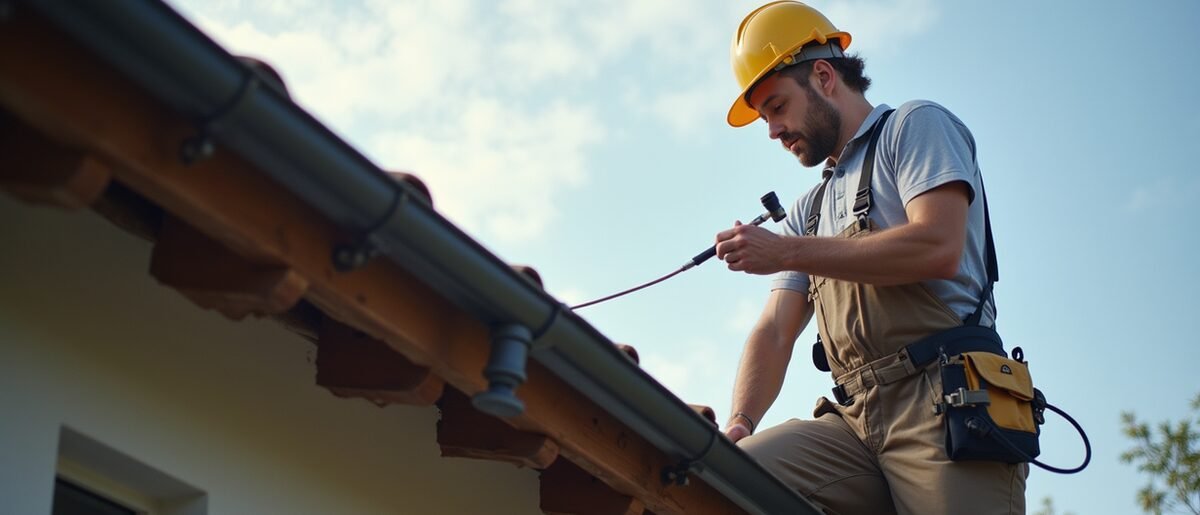
The inspector checks the roof, gutters, siding, windows, and doors. They look for signs of damage, leaks, or poor maintenance.
2. Interior Inspection
Inside the home, the inspector examines walls, ceilings, floors, windows, and doors. They test electrical outlets, light switches, and plumbing fixtures.
3. Structural Components
The foundation, basement, crawl spaces, and framing are inspected for cracks, moisture, or other issues.
4. Systems Check
Heating, ventilation, air conditioning (HVAC), water heaters, and other mechanical systems are tested for proper function.
5. Safety Features
Smoke detectors, carbon monoxide alarms, and stair railings are evaluated to ensure safety compliance.
The inspector will provide a written report with photos and recommendations. This report is your roadmap for repairs or further evaluations by specialists.
What is the Biggest Red Flag in a Home Inspection?
One of the most alarming issues an inspector can find is foundation problems. Cracks, uneven floors, or doors and windows that don’t close properly often indicate foundation settling or damage. These problems can be very expensive to fix and may affect the home’s structural safety.
Other major red flags include:
- Roof leaks or damage that could lead to water intrusion
- Electrical hazards such as outdated wiring or overloaded circuits
- Plumbing leaks that cause mold or water damage
- Pest infestations like termites that compromise wood structures
If any of these issues appear, it’s crucial to get estimates for repairs and consider how they impact your decision to buy.
How to Prepare for a Home Inspection
If you’re the buyer, you don’t need to do much to prepare, but being present during the inspection is highly recommended. This way, you can ask questions and get explanations directly from the inspector.
If you’re the seller, it’s a good idea to:
- Clean and declutter the home to give the inspector easy access
- Fix minor issues like dripping faucets or burned-out light bulbs
- Provide documentation for recent repairs or upgrades
Being proactive can help the inspection go smoothly and reduce surprises.
After the Inspection: What’s Next?
Once you receive the inspection report, review it carefully. Here are some steps to take:
- Discuss findings with your real estate agent to understand the impact on your offer.
- Request repairs or credits from the seller based on the report.
- Get quotes from contractors for any major repairs.
- Consider a second opinion if you’re unsure about certain issues.
Remember, the goal is to protect your investment and ensure the home is safe and comfortable.
Why I Believe Every Homebuyer Should Invest in an Inspection
From my experience, skipping a home inspection is a risk not worth taking. “The importance of home inspection cannot be overstated” as it serves as your best defense against hidden defects and unexpected expenses. A good inspection gives you peace of mind and confidence in your purchase.
Whether you’re buying a brand-new home or an older property, an inspection is a smart step that pays off in the long run.
I hope this guide helps you understand why home inspections matter and how they can protect you. If you’re about to buy a home, make sure to schedule a professional inspection. It’s a small investment that can save you a lot of trouble.
Happy house hunting!