A collection of defects and safety hazards we find on a daily basis — and what they mean for you as a buyer or homeowner.
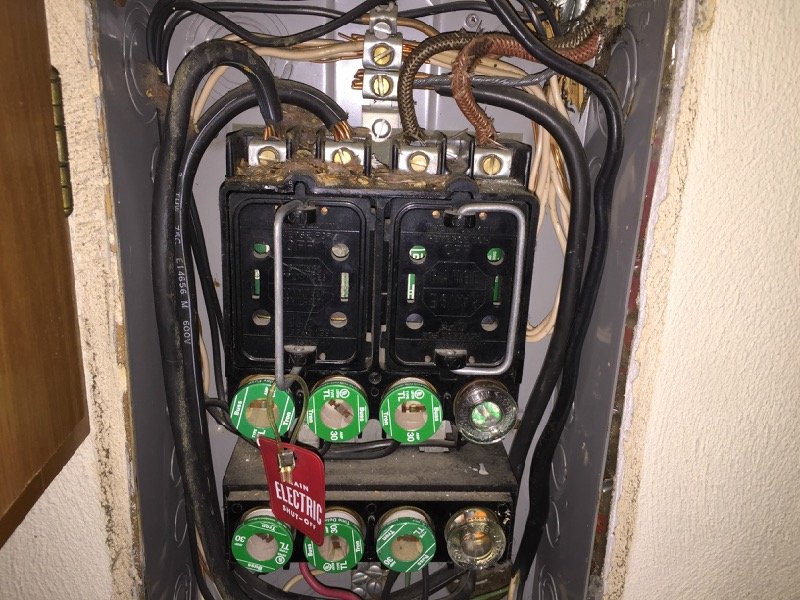 ElectricalMajor Safety Concern
“This outdated residential wiring from the 1930’s is a major safety concern. The 30-amp screw fuses are oversized with 15-amp knob-and-tube copper wires. This is how people burn down houses!”
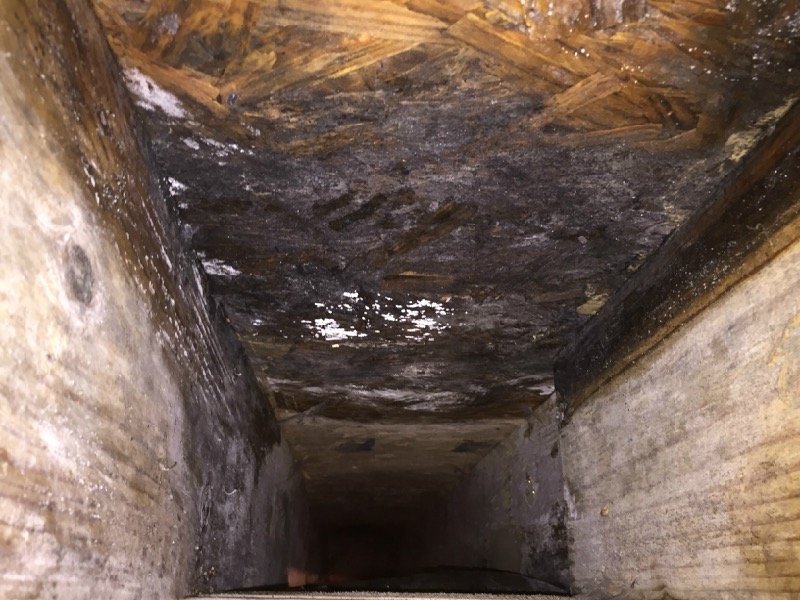 MoistureHard-to-Reach Area
“Ongoing moisture damage underneath a tile shower. Crawlspace homes especially can be full of unwanted surprises.”
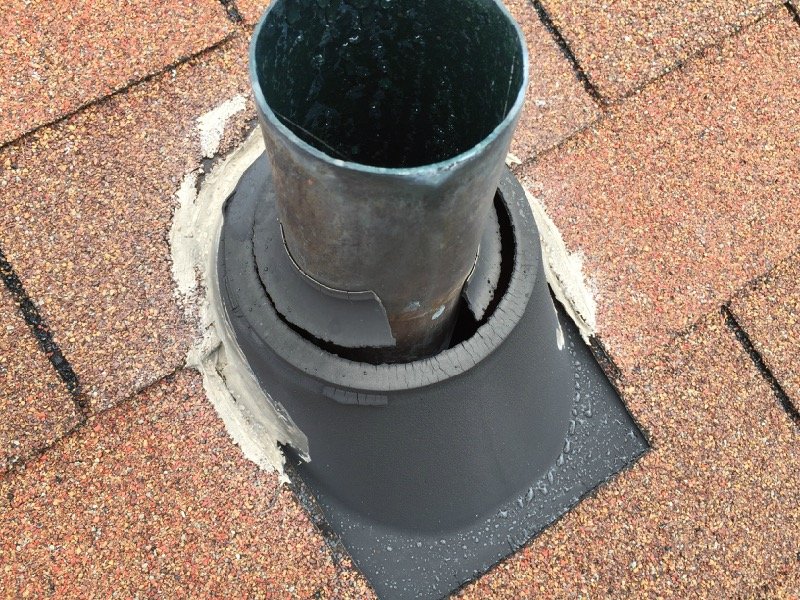 RoofCommon First Leak
“Plumbing boot seals are usually the first roof leak homeowners will experience. They can go unnoticed until the moisture makes its way through the attic insulation and stains the room’s ceilings. They usually start leaking around 17–18 years old.”
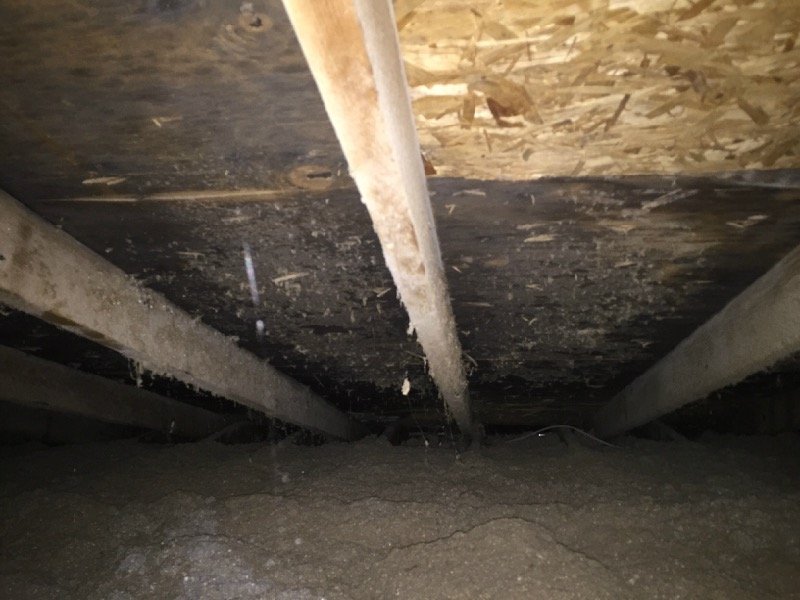 AtticCan Total the Decking
“This is a black fungus growth in the attic. This can be the result of a lack of proper insulation and ventilation. When this goes unchecked it often leads to total roof decking replacement.”
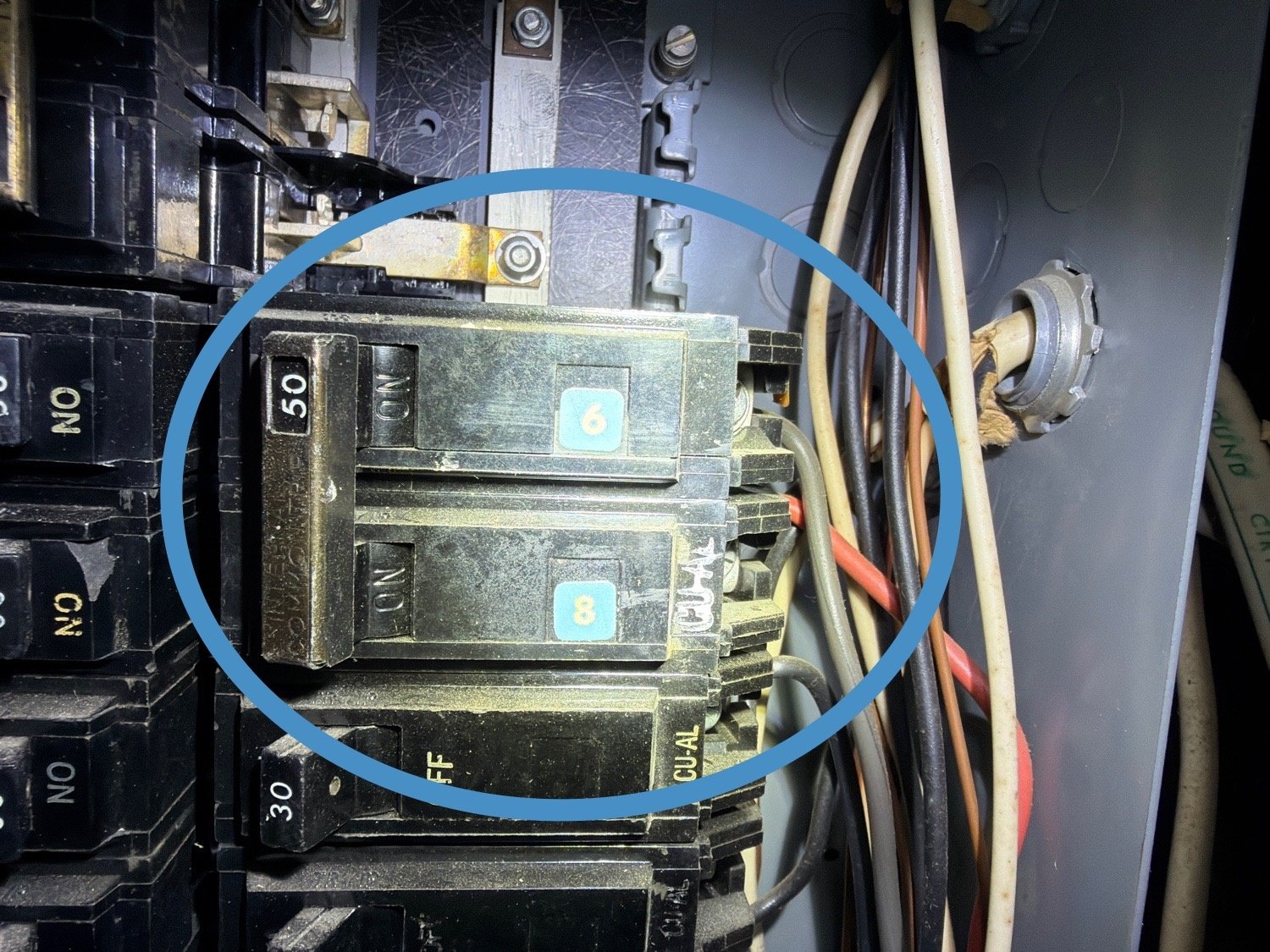 ElectricalFire Hazard
“This 50-amp breaker is protecting wire only rated for 30 amps. The wire overheats long before that breaker ever trips — that’s a fire waiting to happen inside the wall.”
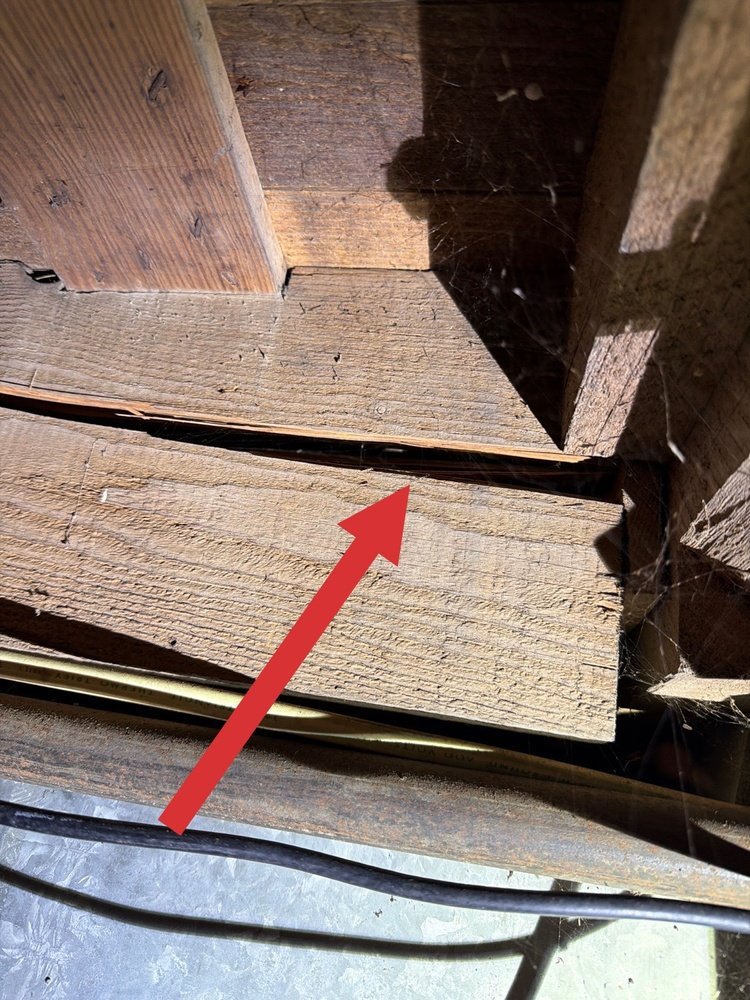 StructureHard-to-Reach Area
“This floor joist has split right through in the crawlspace. The floor above it loses support, and splits like this only get worse under load.”
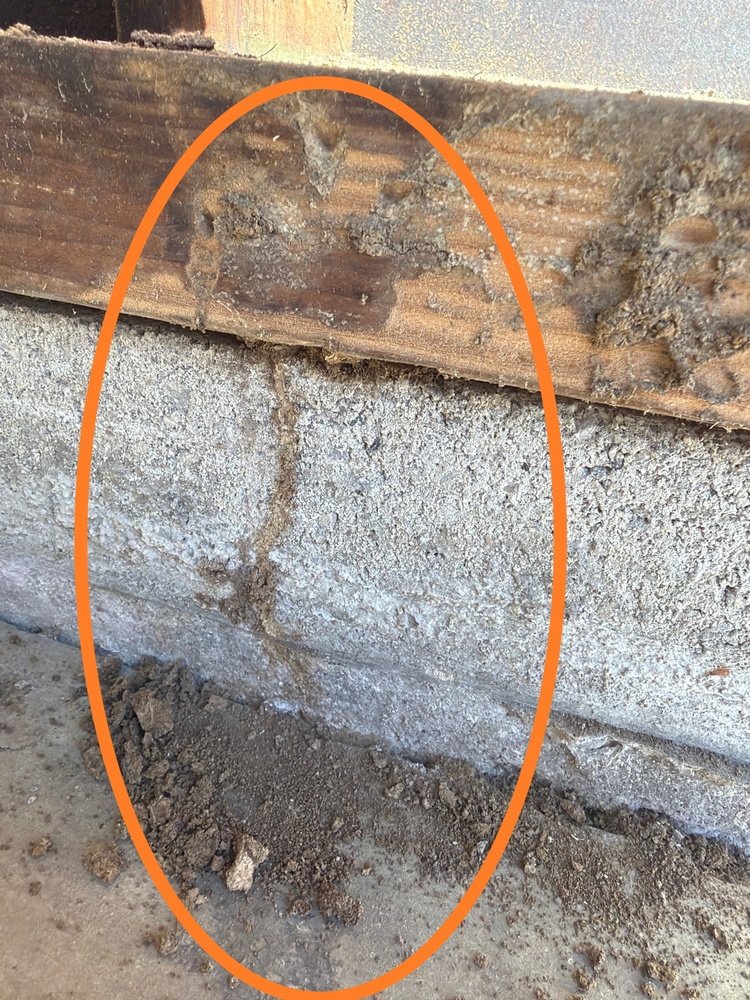 TermiteTermite Evidence
“Mud tubes running up the foundation wall, straight to the sill plate. Tubes like these are evidence of termite activity — termites use them to travel between the soil and the wood, working out of sight below the house.”
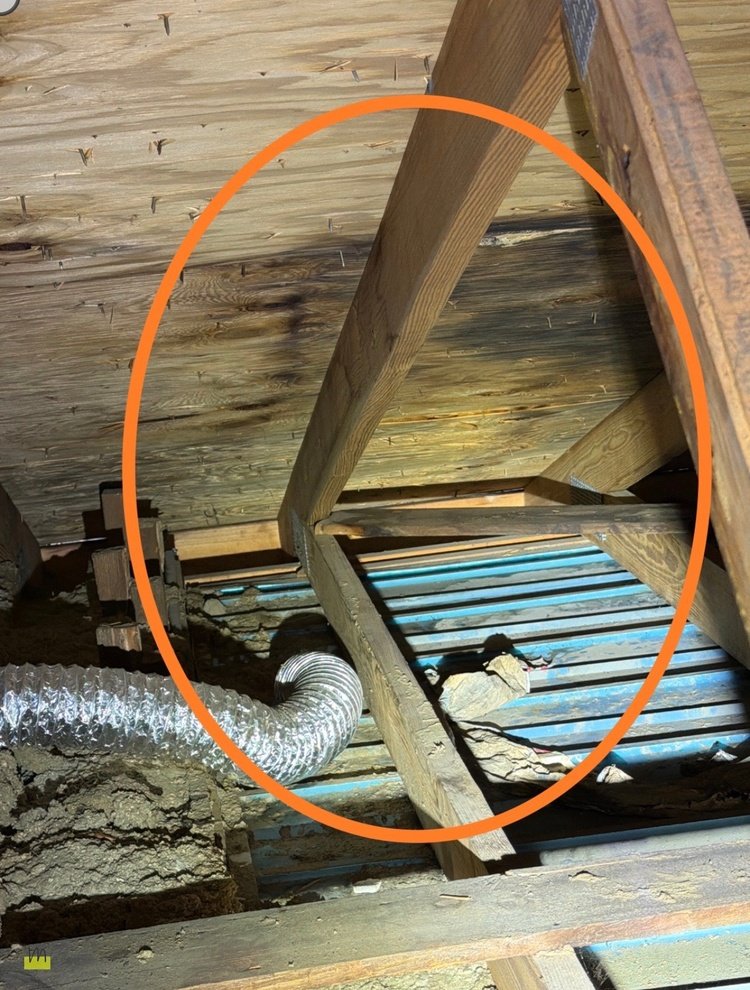 AtticMoisture Source
“This bathroom fan dumps warm, moist air straight into the attic instead of outside. See the dark staining on the roof decking above it — that’s where all that moisture ends up.”
Every photo here came off a real local inspection. This gallery grows as we find new defects — so buyers can see exactly what a complete inspection protects them from.
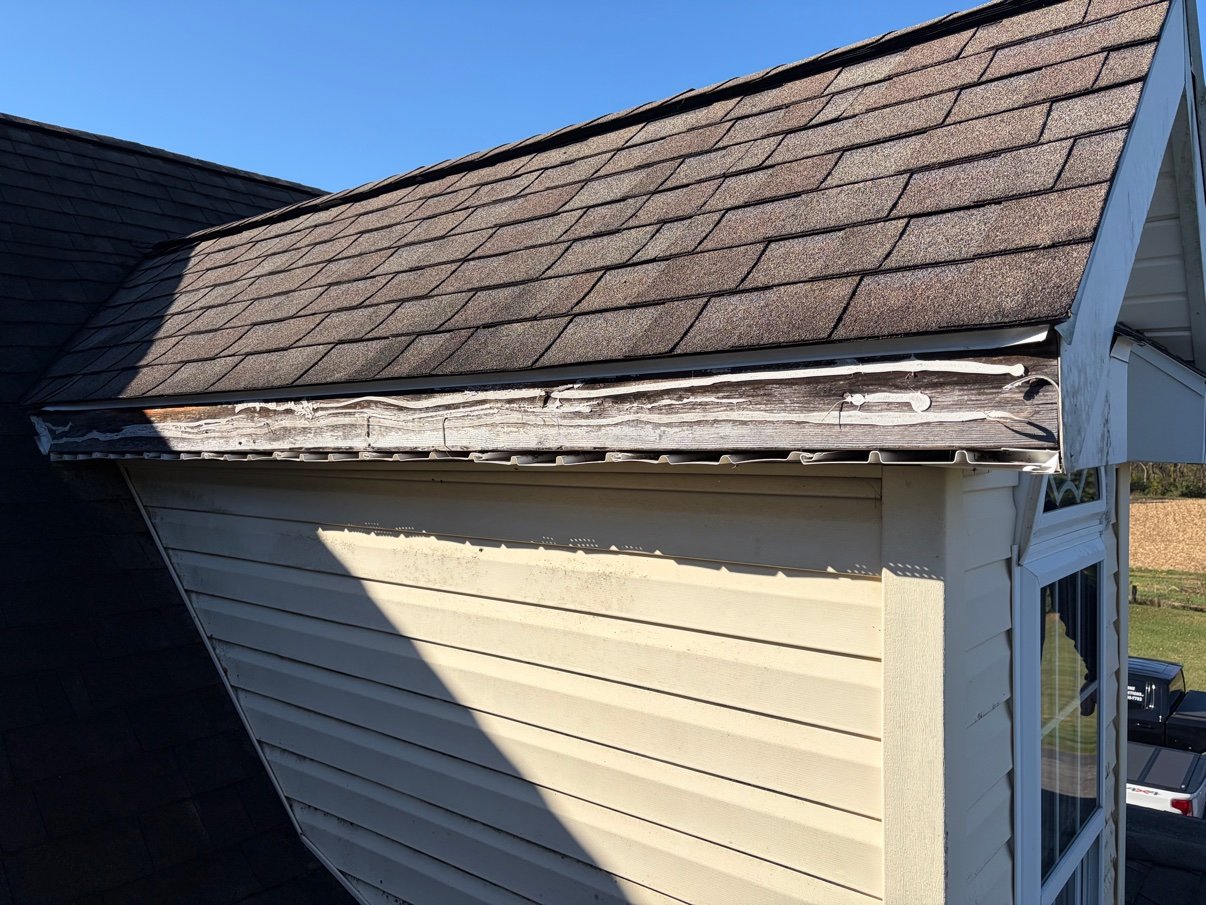 RoofStorm Damage
Storm damage tore the metal cover off this fascia, leaving the bare board exposed to the weather. The smeared caulk isn’t a repair — bare wood at the roof edge deteriorates fast and gives water and pests an easy way in. The metal needs replaced, not sealed over.
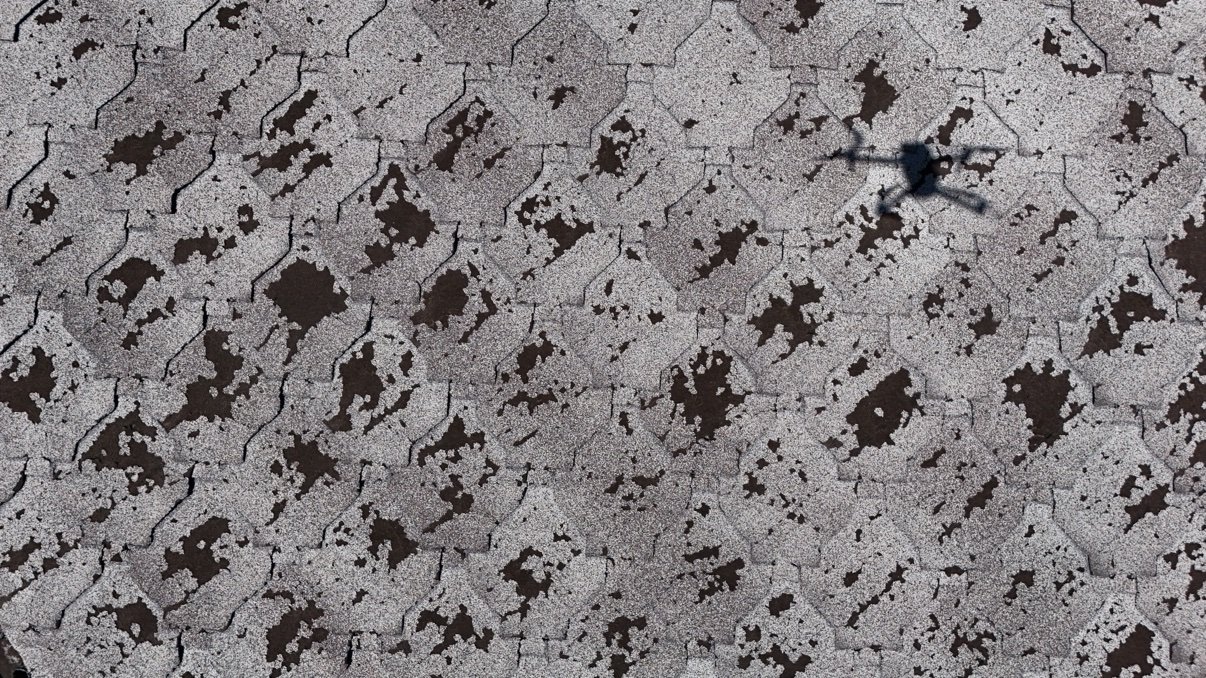 RoofWear & Age
This drone shot shows a Sherriff-Goslin roof in Richmond that’s over 20 years old. The dark patches are where the protective granules are gone, leaving the shingle surface underneath exposed — once granule loss gets this widespread, the shingles can no longer protect the roof the way they should. These shingles are at the end of their useful life, and the roof needs replacement.
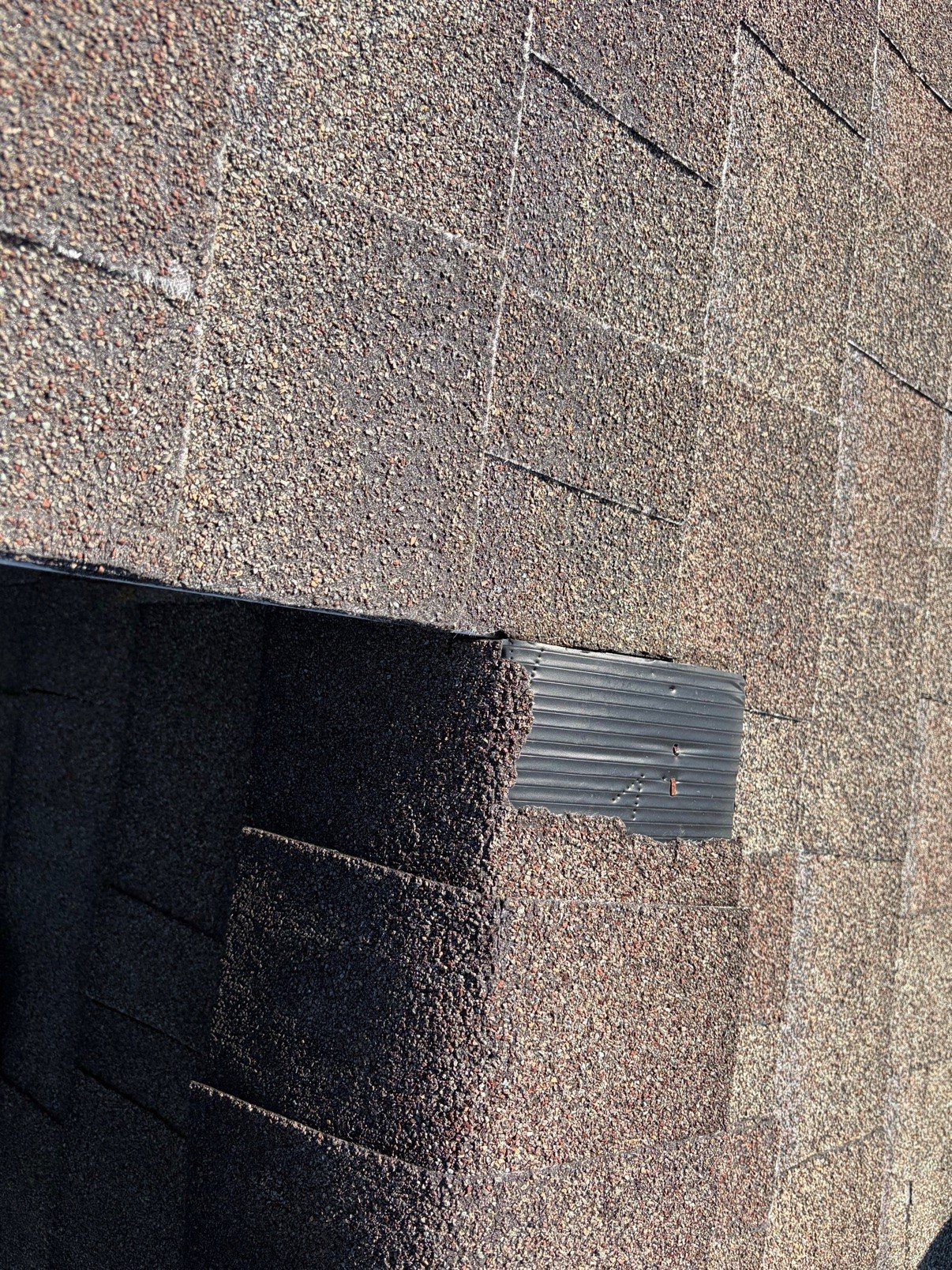 RoofStorm Damage
Storm damage tore the cap shingles off this ridge, leaving the ridge vent underneath exposed. The ridge is the highest seam on the roof, and with the caps gone, wind-driven rain has a straight path in — this is the kind of damage that shows up later as a ceiling stain.
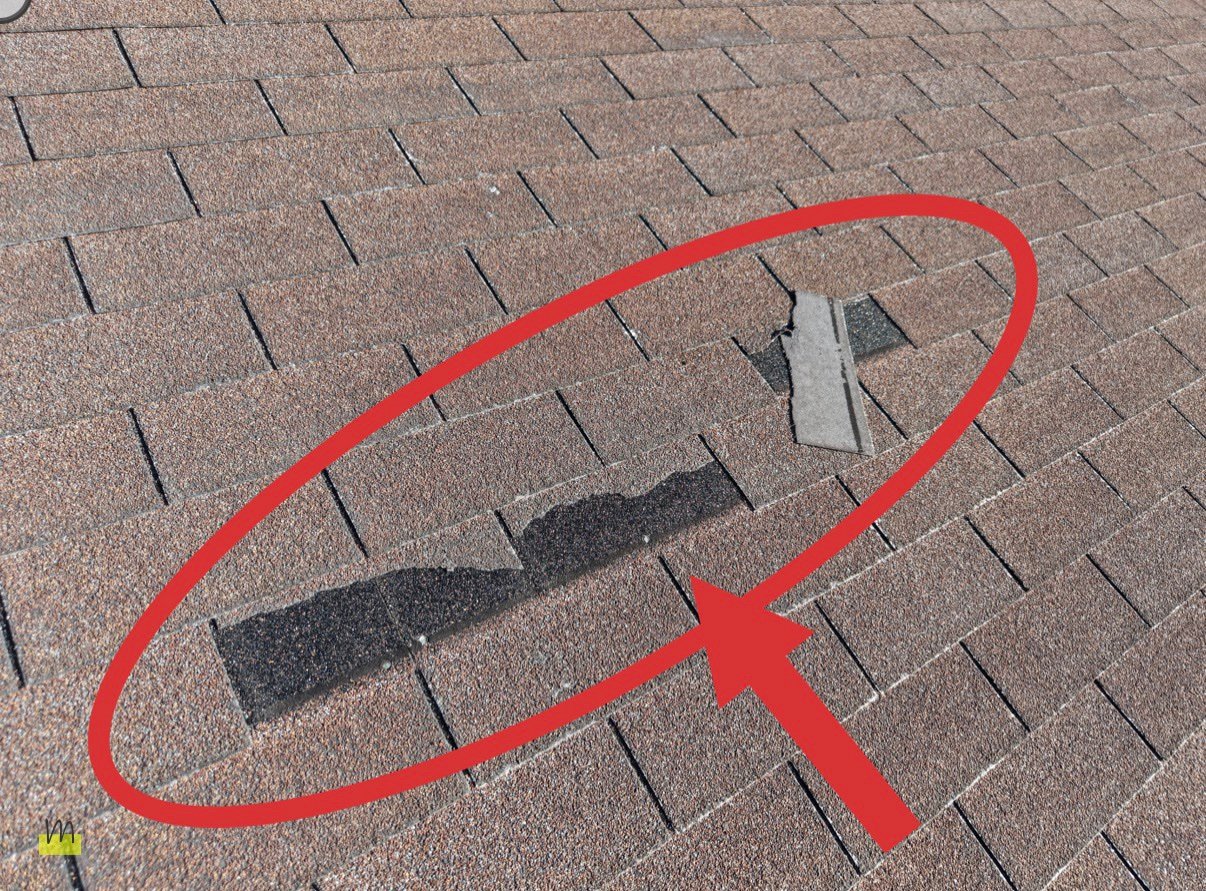 RoofStorm Damage
Storm damage tore a run of shingles off this Connersville garage roof, exposing the layer underneath, with one loose shingle left hanging. Open roof like this lets rain straight in — every storm that passes makes the damage worse.