Understanding the Pre-Purchase Inspection Benefits
When discussing home inspection advantages, the focus is on detailed property evaluation that reveals concerns not visible during casual viewings.
Key benefits include:
- Avoiding costly repairs: Problems like faulty wiring, plumbing leaks, or structural damage discovered beforehand can save thousands of dollars.
- Negotiation leverage: Identified issues allow buyers to request repairs or price reductions from sellers.
- Safety assurance: Verifying home safety for occupants holds immense value.
- Future planning: Understanding major system conditions enables maintenance and upgrade planning.
- Confidence in your purchase: Reduces anxiety and supports informed decision-making.
What does a pre-purchase house inspection consist of?
A comprehensive inspection typically covers:
- Structural Components – Foundation, walls, roof, and framing assessment
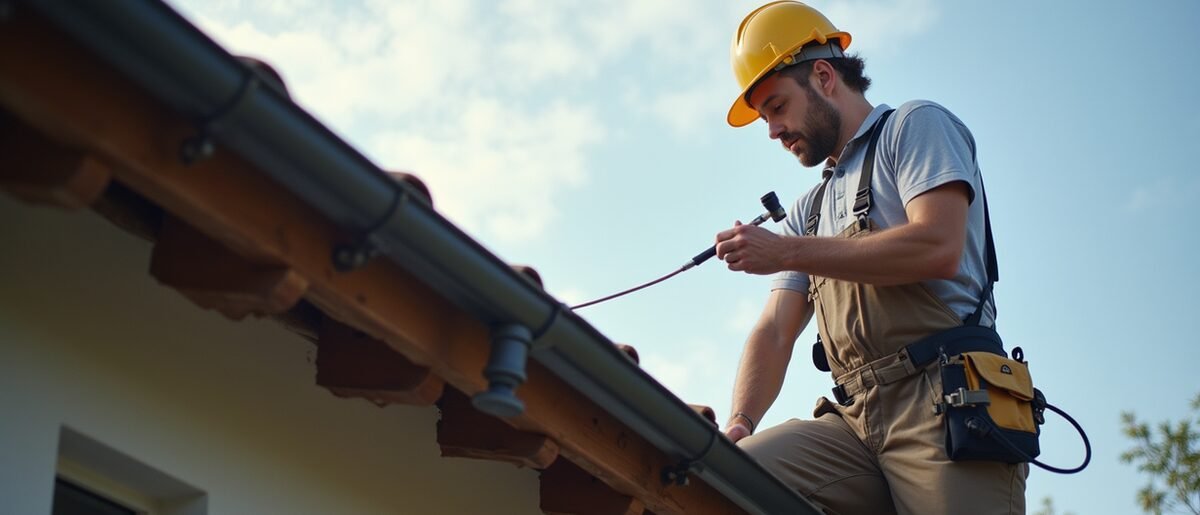
- Roofing – Shingles, gutters, and flashing evaluation
- Plumbing System – Pipes, fixtures, water heaters, and drainage checks
- Electrical System – Wiring, outlets, circuit breakers, and grounding verification
- Heating, Ventilation, and Air Conditioning (HVAC) – Furnaces, air conditioners, ductwork, and thermostats
- Interior Elements – Walls, ceilings, floors, windows, and doors examination
- Insulation and Ventilation – Energy efficiency and moisture prevention checks
- Appliances – Built-in appliance testing
- Pest Inspection – Termite and pest damage identification
How a Pre-Purchase Inspection Protects Your Investment
Protection represents the primary benefit. “I once worked with a buyer who was about to purchase a charming older home. The inspection revealed outdated electrical wiring that posed a fire hazard.”
Protective advantages include:
- Uncovering hidden defects affecting property value
- Preventing unexpected expenses through early identification
- Ensuring local building code compliance
- Avoiding homes with serious safety issues
- Providing documentation for future resale
Tips for Choosing the Right Home Inspector
- Look for certifications and licenses from reputable organizations
- Check reviews and references from previous clients
- Ask about inspector experience and track record
- Request a sample report to assess clarity and detail
- Clarify what services are included in the inspection
- Attend the inspection to ask questions and observe firsthand
What to Do After Receiving the Inspection Report
- Review the report carefully, prioritizing major issues
- Discuss findings with your real estate agent
- Obtain repair estimates from contractors for significant problems
- Negotiate with the seller based on report findings
- Decide whether to proceed with the purchase
- Plan for future maintenance needs
Closing
“Getting a pre purchase home inspection is more than just a formality – it’s a vital part of protecting your investment and ensuring your new home is safe and sound.”