Buying a home represents a substantial financial commitment. Whether purchasing your first property or adding to your portfolio, assessing a property’s condition before finalizing the sale is essential. Home inspections serve this purpose, though inspection types vary considerably.
Certified vs Regular Inspections: What’s the Difference?
The term “home inspection” conjures images of professionals systematically evaluating properties, yet quality and thoroughness differ significantly between inspection types.
Regular home inspections involve professionals with variable experience levels who examine fundamental elements — roofing, foundations, plumbing, electrical systems, and HVAC units. While adequate for many purchasers, subtle or intricate concerns may escape detection.
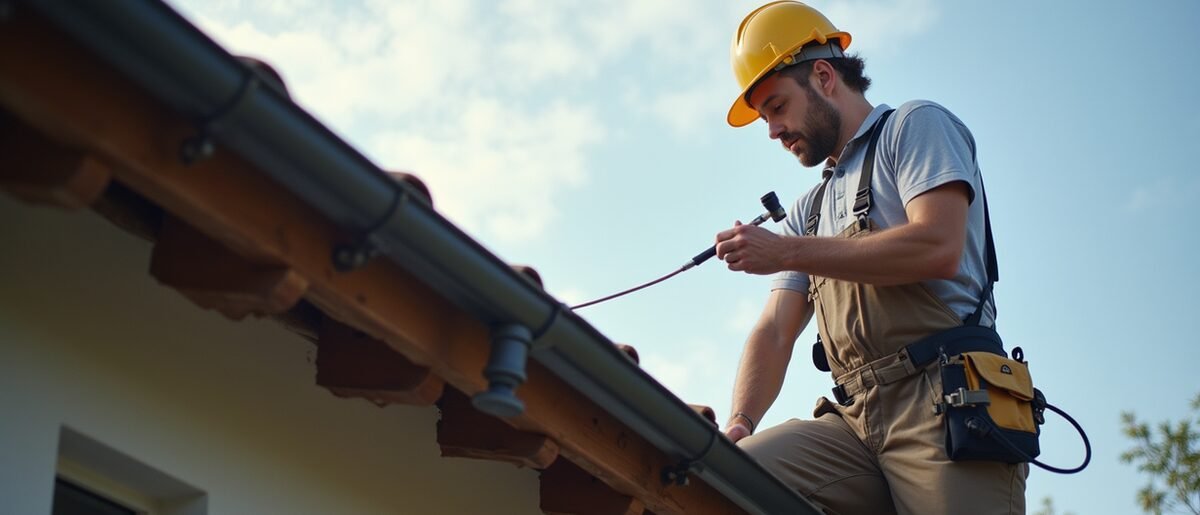
Certified home inspections involve rigorously trained professionals adhering to strict industry protocols and deploying advanced diagnostic equipment. These specialists identify problems invisible to casual observation, utilizing thermal imaging to reveal concealed moisture and electrical defects.
Comparison Table:
| Feature | Regular Inspection | Certified Inspection | |———|——————-|———————-| | Inspector Training | Varies widely | Standardized, certified training | | Inspection Depth | Basic systems and visible issues | Comprehensive, including hidden problems | | Tools Used | Basic tools | Advanced diagnostic tools | | Report Detail | Summary of findings | Detailed report with photos and recommendations | | Reliability | Moderate | High |
Richmond’s diverse housing stock — from historic structures to contemporary construction — makes certified inspections particularly valuable for this market.
What is the Biggest Red Flag in a Home Inspection?
The most significant concern encountered involves “foundation and structural integrity.” Compromised foundations create serious complications including uneven flooring, wall fractures, and safety dangers.
Major warning indicators include:
- Roof damage or leaks: Water penetration causes mold and deterioration
- Electrical hazards: Outdated or faulty wiring creates fire dangers
- Plumbing problems: Leaks or inadequate water pressure signal deeper issues
- HVAC system failures: Malfunctioning heating or cooling elevates utility expenses
Certified inspectors recognize these concerns early, producing thorough documentation that supports negotiation efforts.
Why Choose a Certified Home Inspection in Richmond?
Richmond’s diverse housing inventory creates complex inspection requirements. Certified evaluations offer multiple advantages:
- Expertise in local building codes and common issues: Inspectors understand Richmond’s distinctive construction approaches and climate considerations
- Thorough evaluation: Professionals examine potential problem zones comprehensively
- Detailed, easy-to-understand reports: Documentation includes imagery and transparent explanations
- Better negotiation power: Certified reports strengthen discussions about repairs or pricing
Older Richmond properties frequently contain antiquated electrical infrastructure or concealed water intrusion. Professional inspectors identify such issues, preventing unforeseen expenses.
How to Prepare for Your Home Inspection
Preparation enhances inspection effectiveness:
- Be present during the inspection: Direct observation enables immediate inquiry and clarification
- Provide access to all areas: Ensure attic, basement, crawl spaces, and exterior access
- Gather maintenance records: Historical documentation assists inspector understanding
- List your concerns: Share specific worries beforehand
- Avoid last-minute repairs: Evaluate properties in their actual condition
Active participation yields maximum inspection value and purchase confidence.
What to Do After the Inspection?
Following report receipt, implement these recommendations:
- Review the report carefully: Emphasize major concerns and recommendations
- Discuss findings with your real estate agent: Professional guidance illuminates implications
- Request repairs or credits: Utilize documentation for negotiation
- Plan for future maintenance: Monitor concerns not requiring immediate attention
- Consider a second opinion: Specialists may evaluate complex problems
Inspections aim to inform purchasing decisions, not eliminate them.
Conclusion: Making the Right Choice for Your Home
Understanding certified and standard inspection distinctions supports optimal decision-making. Richmond’s dynamic market benefits from professional thoroughness protecting investments. Professional consultation and scheduling ensure confidence in home purchases.
Recent Posts Listed (sidebar)
- Understanding the Home Inspection Process Explained
- Why Pre-Purchase Inspection Benefits Are Essential for Every Homebuyer
- Your Essential Home Inspection Checklist Tips