
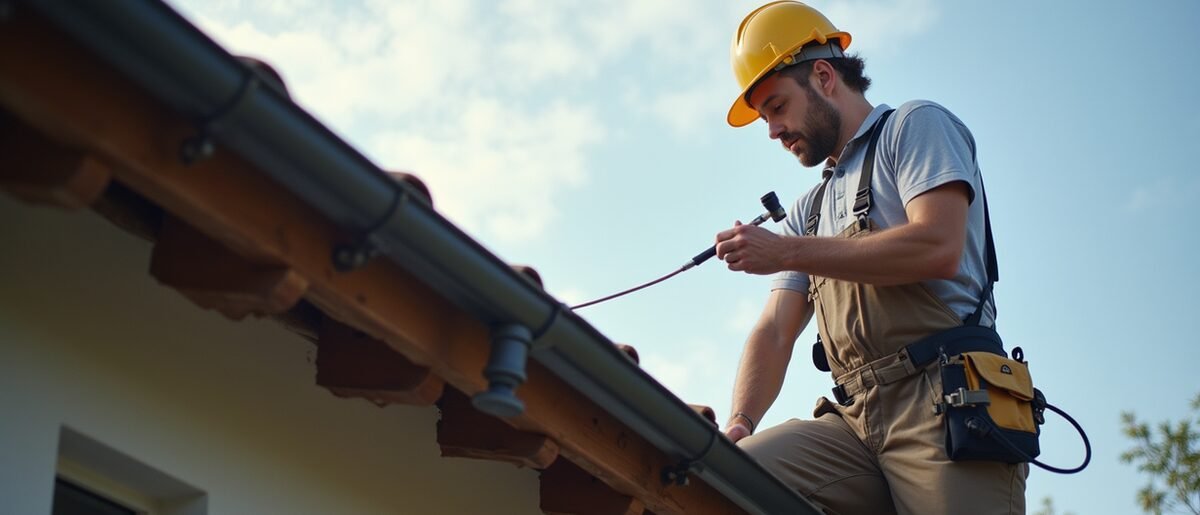
Why Reliable Home Inspections Matter
A home inspection is more than just a quick look around the property. It’s a detailed evaluation of the home’s condition, from the foundation to the roof. Reliable home inspections help you:
- Identify potential safety hazards
- Understand the true condition of the property
- Negotiate repairs or price adjustments with confidence
- Avoid costly surprises after closing
I always recommend choosing inspectors who are certified, experienced, and have a solid reputation. When you work with professionals who care about their work, you get a comprehensive report that highlights both major issues and minor concerns.
In Richmond, the housing market can be competitive, so having a trusted inspection can give you an edge. It’s not just about finding problems but also about understanding the home’s maintenance needs and future costs.
How to Find Reliable Home Inspections in Richmond
Finding the right home inspection service can feel overwhelming, but here are some practical tips I use to narrow down the best options:
- Check Credentials — Look for inspectors who are licensed and certified by recognized organizations like the American Society of Home Inspectors (ASHI) or the International Association of Certified Home Inspectors (InterNACHI).
- Read Reviews and Ask for References — Online reviews can give you insight into other clients’ experiences. Don’t hesitate to ask the inspector for references to hear directly from past customers.
- Ask About Their Inspection Process — A reliable inspector will be happy to explain what they check and how they report their findings. They should use modern tools like moisture meters, thermal imaging cameras, and radon detectors.
- Compare Pricing and Services — While price is important, don’t choose the cheapest option without considering quality. A thorough inspection might cost a bit more but can save you thousands in the long run.
- Look for Local Expertise — Inspectors familiar with Richmond’s climate, building styles, and common issues will provide more relevant insights.
If you want a trusted option, I recommend checking out home inspection services Richmond for professional and reliable inspections.
What does a full house inspection include?
Understanding what a full house inspection covers helps you know what to expect and ensures you’re getting your money’s worth. A comprehensive inspection typically includes:
Structural Components — Inspectors check the foundation, walls, ceilings, floors, and roof structure for cracks, damage, or signs of settling.
Roofing — They examine shingles, flashing, gutters, and downspouts to assess wear and potential leaks.
Plumbing System — This includes pipes, fixtures, water heaters, and drainage systems to detect leaks, corrosion, or faulty installations.
Electrical System — Inspectors test outlets, switches, circuit breakers, and wiring for safety and code compliance.
Heating, Ventilation, and Air Conditioning (HVAC) — The inspection covers furnaces, air conditioners, ductwork, and thermostats to ensure proper operation.
Interior Components — Doors, windows, walls, ceilings, floors, and stairways are checked for damage or safety issues.
Insulation and Ventilation — Proper insulation and ventilation in attics and crawl spaces are essential for energy efficiency and preventing moisture problems.
Appliances — Built-in appliances like ovens, dishwashers, and garbage disposals may be tested for functionality.
Safety Features — Smoke detectors, carbon monoxide detectors, and handrails are evaluated for compliance and safety.
A detailed report will include photos, descriptions, and recommendations for repairs or further evaluation by specialists.
Tips for Preparing for Your Home Inspection
To get the most out of your home inspection, preparation is key. Here are some tips I’ve found helpful:
- Be Present During the Inspection — Walking through the home with the inspector allows you to ask questions and understand the findings firsthand.
- Provide Access to All Areas — Make sure the inspector can access the attic, basement, crawl spaces, electrical panels, and HVAC units.
- Clear Clutter — Remove obstacles that might block the inspector’s view or access to important areas.
- Test Utilities — Ensure water, electricity, and gas are turned on before the inspection.
- Prepare a List of Questions — Write down any concerns or specific areas you want the inspector to focus on.
- Review the Report Carefully — After the inspection, take time to read the report thoroughly and discuss any unclear points with the inspector.
By being proactive, you can make the inspection process smoother and more informative.
Making the Most of Your Home Inspection Report
Once you receive the inspection report, it’s important to use it effectively. Here’s how I recommend approaching it:
- Prioritize Repairs — Focus first on safety issues and major structural problems. These should be addressed immediately.
- Get Estimates for Repairs — Use the report to get quotes from contractors. This helps you negotiate with the seller or plan your budget.
- Plan for Maintenance — Some issues may not require immediate action but should be monitored or maintained regularly.
- Share the Report — If you’re selling your home, providing a recent inspection report can build buyer confidence.
- Keep the Report for Future Reference — It’s a valuable document for ongoing home maintenance and resale.
Choosing reliable home inspections is an investment in your home’s future. It empowers you with knowledge and confidence to make smart decisions.
I hope this guide helps you feel more confident about selecting the right home inspection service in Richmond. Remember, a thorough and honest inspection is one of the best ways to protect your investment and enjoy your home with peace of mind. If you want to explore trusted options, consider home inspection services Richmond for expert help.